Class B RV: Everything to Know Before Buying
# Class B RV: Everything to Know Before Buying
A Class B RV is a camper van built on a full-size van chassis—typically a Mercedes Sprinter, Ford Transit, or Ram ProMaster—that measures 18–24 feet, sleeps 2–4 people, and packs a kitchen, toilet, and sleeping area into a vehicle that fits in a standard parking spot. It gets 14–18 mpg and can serve as a daily driver, but the tight interior and limited tank sizes mean it works best for solo travelers or couples who prioritize mobility over space. This guide walks through the key buying decisions, real-world trade-offs, and what to inspect before you commit.


## What a Class B RV Actually Delivers
Every Class B starts as a delivery van that gets cut apart and re-skinned by a manufacturer like Winnebago, Airstream, Thor, or Leisure Travel Vans. The floorplan is fixed—no slide-outs, no expandable rooms—so every inch matters. Typical specs for newer models:
– **Length:** 19–24 ft
– **Height:** 8.5–10 ft (roof A/C adds roughly 1 ft)
– **Width:** 6.5–7.5 ft (narrower than a Class C)
– **GVWR:** 9,000–12,000 lbs
– **Fresh water tank:** 20–35 gallons
– **Grey tank:** 15–25 gallons
– **Black tank (if present):** 5–12 gallons
– **Sleeping capacity:** 2–4 (most common: 2)
– **Tow capacity:** 3,500–5,000 lbs (enough for a small trailer or dinghy)
**Real-world example:** A 2024 Winnebago Travato (Ram ProMaster) weighs roughly 8,800 lbs wet, has a 21-gallon fresh tank, a 15-gallon grey tank, and an 11-gallon black tank. It sleeps two on a rear bed that converts from a dinette. A 2023 Airstream Interstate 24GT (Mercedes Sprinter) runs 24.5 ft, sleeps two, and adds a rear wet bath with a pull-out cassette toilet instead of a permanent black tank.
**Applicability boundary:** These specs change significantly by model year and manufacturer. A 2018 model on a Ford E-series chassis will have a shorter wheelbase, fewer safety features, and less payload than a 2023 model on a Transit chassis. If you are shopping used, verify the specific year’s GVWR and tank sizes—some older models carried only 15 gallons of fresh water and may lack modern safety tech like lane-keeping assist or blind-spot monitoring.
### Three Chassis, Three Trade-Offs
The chassis choice matters more than most buyers realize:
– **Mercedes Sprinter:** Drives like a car, high maintenance costs, lower payload (often under 2,000 lbs after conversion), excellent resale value. Diesel models get slightly better fuel economy but require diesel exhaust fluid and have pricier oil changes.
– **Ram ProMaster:** Widest interior (provides an extra 6–8 inches of shoulder room), less expensive service network, worse fuel economy, front-wheel drive that struggles on soft roads or inclines. The 2023+ models added a nine-speed transmission that improved highway manners.
– **Ford Transit:** Best balance of payload (often 2,500–3,000 lbs after conversion), serviceability, and availability. Splits the difference on cost and performance. Available with all-wheel drive on 2020+ models, which is a meaningful upgrade if you plan to chase snow or dirt roads.
**Practical implication:** The chassis determines your usable payload, maintenance budget, and driving experience. If you want to carry two mountain bikes, a kayak, and full camping gear, only the Transit or a high-payload Sprinter option will keep you under GVWR. The ProMaster’s lower payload (often 1,500–1,800 lbs after conversion) means you will hit the limit faster—check the yellow sticker on the driver’s door jamb before buying, not the brochure spec.
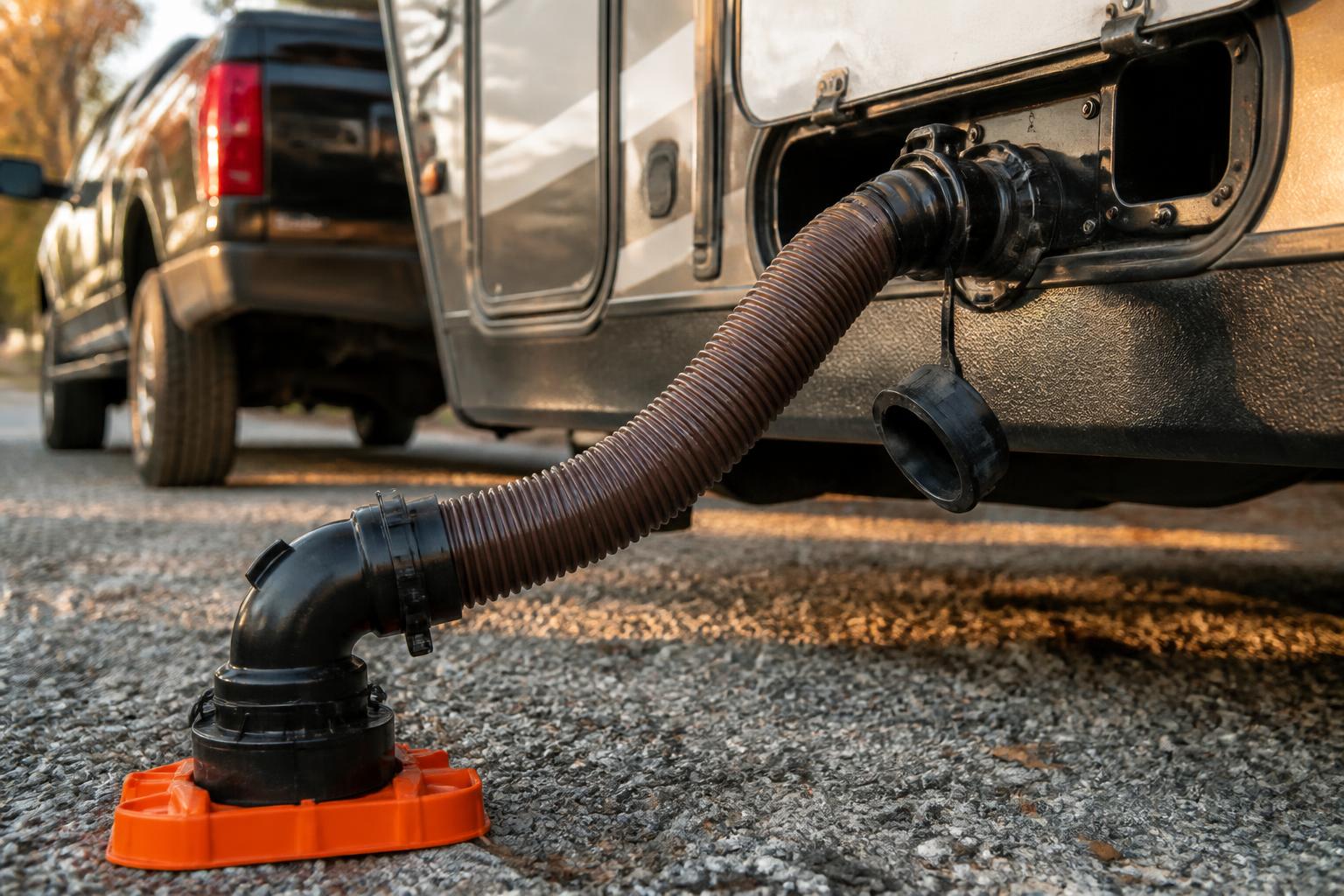

**Expert tip:** Do not trust the advertised payload from the manufacturer’s website. That number is calculated with an empty van and no options. Once the upfitter adds cabinets, batteries, a water heater, and flooring, the actual payload available for your gear can drop by 400–600 lbs. Weigh the finished unit at a truck stop scale before you commit to a purchase.
## The Make-or-Break Decision: How You Handle Waste
Most buyers focus on floorplans and mileage, but the real constraint is the bathroom system. Class Bs generally split into three camps:
**1. Cassette toilet + dry bath** – No separate shower stall. The toilet empties into a removable cassette that slides out from an exterior hatch. A wet bath (shower head in the same space) is common. Popular in European-styled vans like the Leisure Travel Vans Unity and the Airstream Interstate.
**2. Permanent black tank + wet bath** – A typical RV toilet with a black tank (5–12 gallons). The shower is inside a small wet bath. Common in American-built vans like the Winnebago Travato and Thor Sequence. You dump at a standard RV dump station with a sewer hose.
**3. Composting toilet + no wet bath** – No black tank, no outside toilet dumping. A composting toilet separates solids and liquids. This eliminates the need for a dump station for toilet waste, but the compost bin must be emptied every 1–3 weeks. Found in boondocking-focused vans like some Storyteller Overland builds and advanced DIY conversions.
**Why this changes your recommendation:** If you plan to boondock for a week without hookups, a 10-gallon black tank will fill in 3–4 days with two people. A composting toilet extends that trip by weeks, but you lose a built-in shower. If you need a separate shower stall, you are looking at a Class B with a larger wet bath (e.g., Airstream Interstate) or stepping up to a Class C. This single question—how you manage waste—eliminates half the floorplans immediately.
**Real-world trade-off:** The cassette toilet system sounds convenient, but the cassette weighs about 30–40 lbs when full. You need to carry it to a dump station or RV toilet. For someone with limited mobility or who camps far from facilities, the permanent black tank with a macerator hose is easier to empty from the van side. **Common mistake:** Assuming a cassette toilet is maintenance-free—the seal rings need annual replacement and the cassette can crack if left in freezing temperatures.
## Who the Class B Fits (and Who Should Keep Looking)
Class Bs are not a universal solution. The decision to buy one instead of a Class C or trailer comes down to three constraints: driving comfort, parking freedom, and space tolerance.
**Fits you if:**
– You want to use the RV as a daily driver or secondary vehicle.
– You plan to park in city lots, national park campgrounds with tight sites, or boondocking spots where a larger unit will not fit.
– You travel mostly solo or as a couple and do not mind close quarters.
– You value fuel economy (14–18 mpg beats 6–10 mpg in a Class C).
– You need stealth camping ability (looks like a work van, no exterior graphics).
**Does not fit you if:**
– You have a family of four or more (you can sleep four, but you cannot live inside with four).
– You need a separate bedroom, a real shower with elbow room, or a dedicated dining table.
– You plan to carry significant gear (bikes, kayaks, outdoor furniture) inside the van.
– You want to live in it full-time for months without a home base—tank sizes and storage will frustrate you, and the lack of dedicated work space becomes a problem.
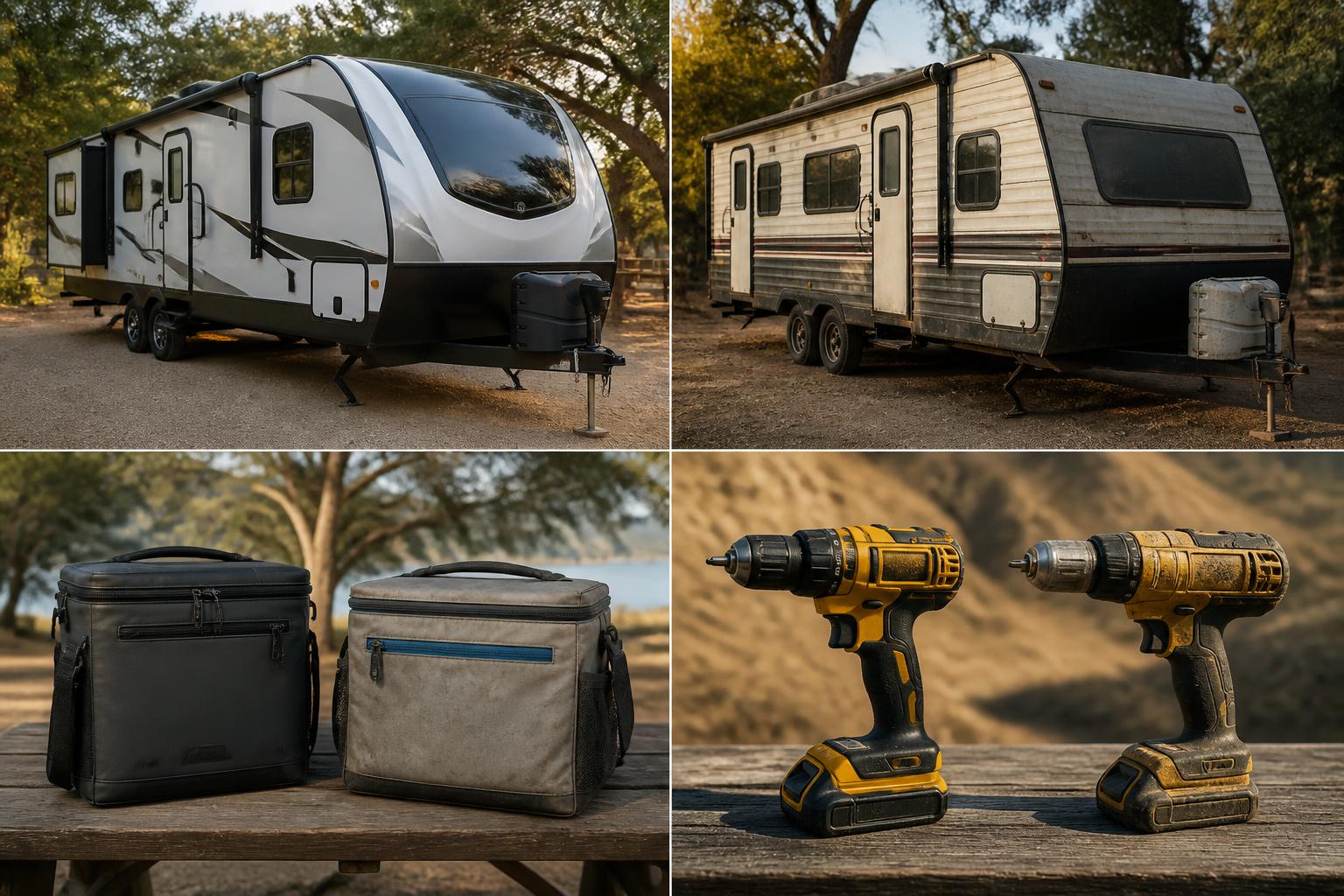
**Common mistake to avoid:** Assuming a Class B is simply a smaller Class C. The Class B is actually a different category: it is a van that happens to have amenities, not a motorhome that has been shrunk. The interior feels more like a tiny house than a recreational vehicle. If you need a table that seats four comfortably or a shower that is not a phone booth, look at a Class C—specifically a 22–25 ft model on a Ford E-350 or Mercedes Sprinter chassis. That extra 4 ft of length and the slide-out option transforms the livability.
**Expert tip:** Rent a Class B for at least one week before buying. A weekend trip does not reveal the storage inadequacies or the frustration of making the bed every evening. A seven-day rental will show you whether the lack of interior space wears on you or frees you to spend more time outside.
## New vs. Used: Real-World Price Reality
| Condition | Typical Price Range (2024) | What You Get |
|———–|—————————|————–|
| New (base trim) | $90,000–$130,000 | 2022+ chassis, full warranty, some solar pre-wire |
| New (loaded) | $140,000–$220,000 | Lithium batteries, 500W–800W solar, induction cooktop, all-weather insulation |
| Used (3–5 years old) | $50,000–$80,000 | Lower depreciation, potential out-of-warranty components |
| Used (10+ years old) | $20,000–$45,000 | Often a Chevy Express or Ford E-series chassis, worn interiors, no solar |
**Depreciation trap:** A $150,000 new Class B can lose $30,000–$40,000 in the first two years. That is great if you buy used, painful if you finance new and need to sell early. On the other hand, a used van with 40,000 miles may still have plenty of life left—the Mercedes Sprinter often runs past 200,000 miles if maintained, and the Ford Transit regularly hits 150,000 miles without major issues.
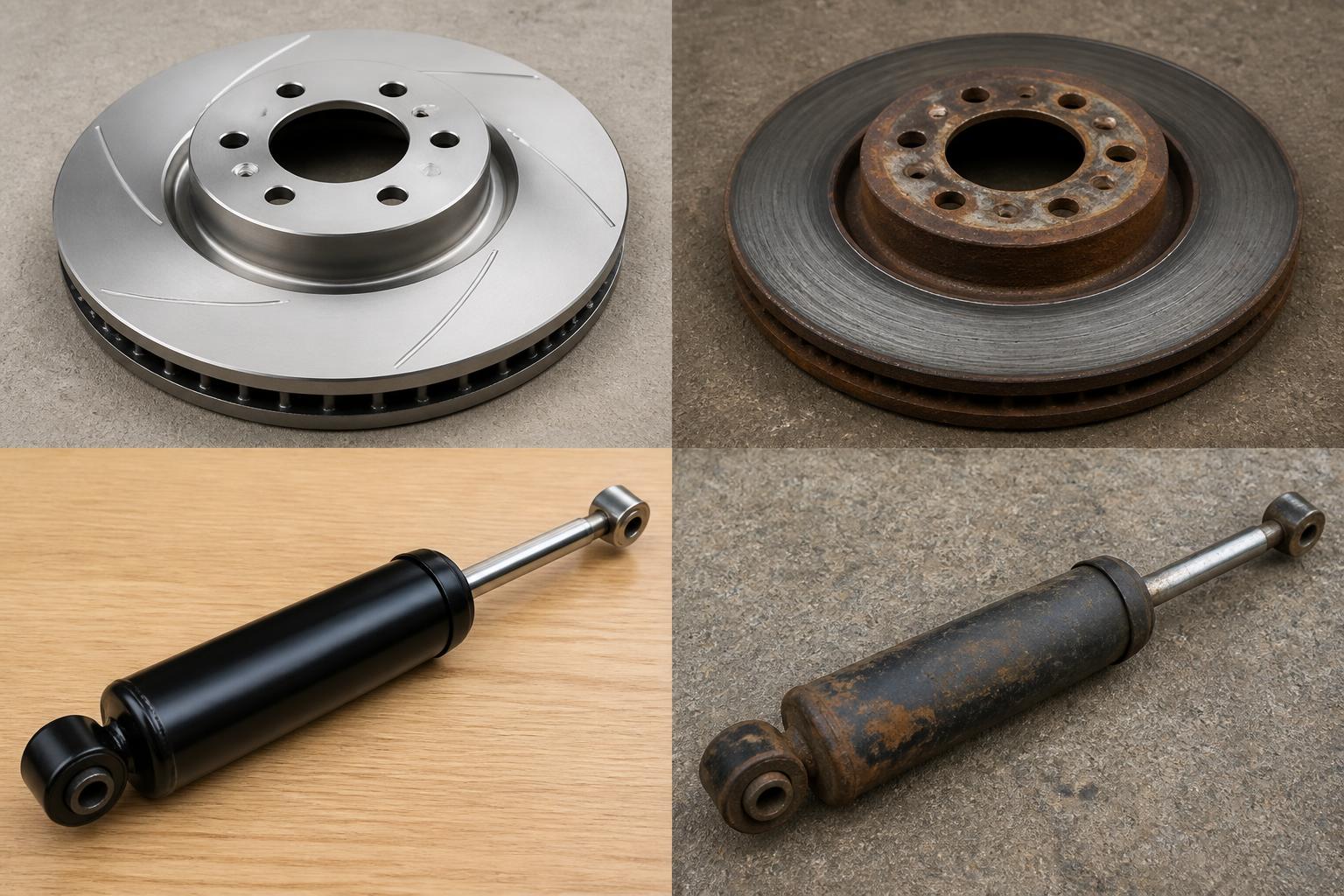
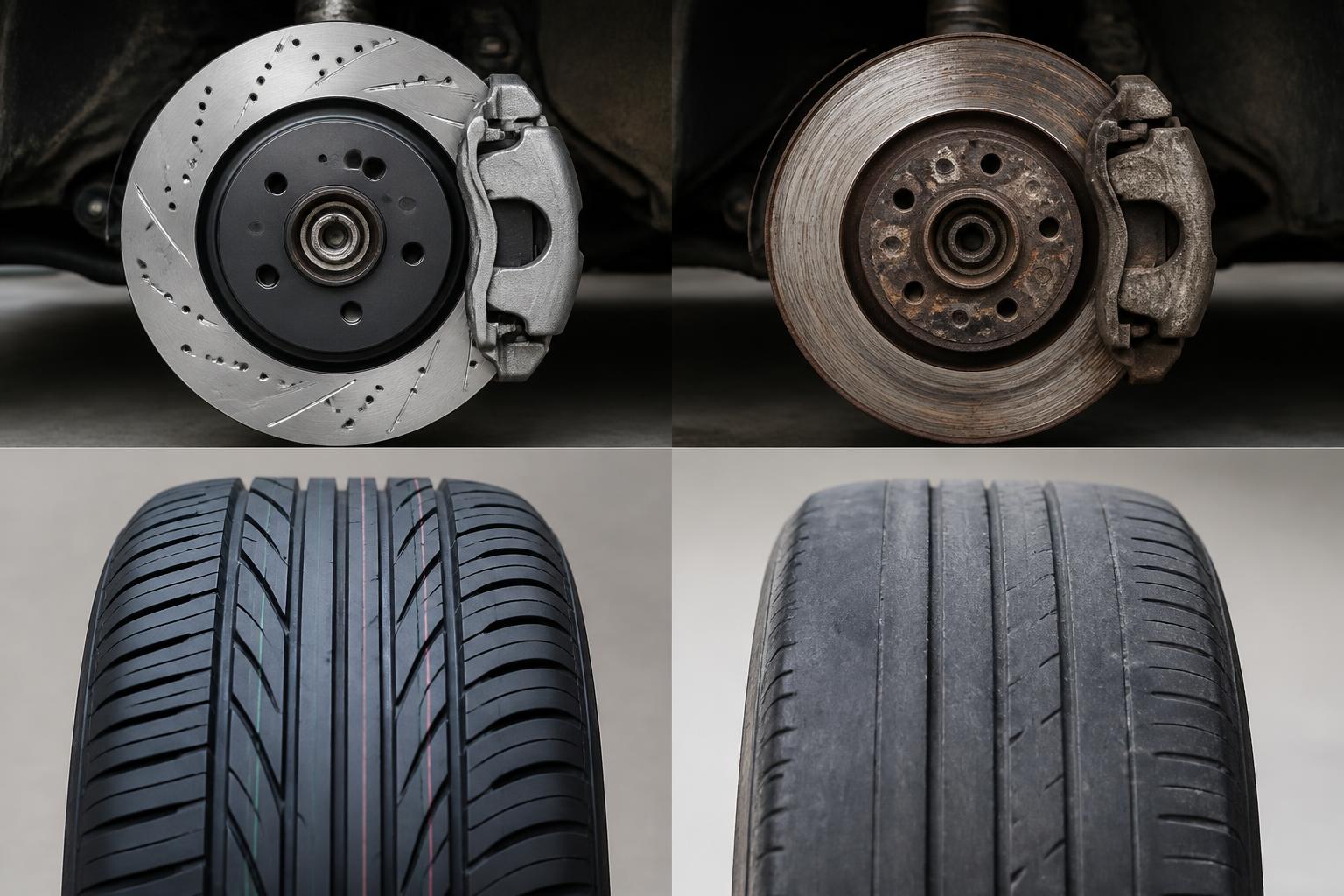
**Warranty note:** Manufacturer warranties (e.g., Winnebago’s 3-year/36,000-mile on the conversion) do not cover the chassis. Mercedes, Ford, and Ram each have their own coverage. After 3 years, you are paying out-of-pocket for van repairs plus RV appliance fixes. Budget $1,000–$2,000 per year for maintenance after warranty expires, and expect a larger hit every 30,000–40,000 miles when transmission service, brake jobs, and tire replacements stack up.
**Hidden cost to watch:** Many used Class Bs still have lead-acid batteries that will need replacement within 1–3 years. Swapping to lithium (400 amp-hours installed) runs $2,500–$4,000. Factor that into your budget if the van you are looking at lacks solar or lithium from the factory.
## Five Critical Checks Before You Commit
These are non-negotiable. Skip one and you risk a $5,000 repair or a ruined trip.
**1. Roof integrity and seam condition.** Class Bs have large roof panels, usually fiberglass or aluminum with rubber gaskets at skylights, A/C units, and Maxxair fans. Leaks at these seams cause delamination and mold. **Action:** Inspect the roof with a flashlight for cracks, separated sealant, or bubbling. Check all four corners of every roof penetration. **Common mistake:** Relying on a visual from the ground—climb up and press on seams with your thumb. Soft spots indicate water damage beneath the surface.
**2. Can the chassis handle the payload?** The converter adds cabinets, batteries, water, and all gear. Many Class Bs are at or near GVWR when fully loaded. **Action:** Weigh the actual vehicle with full fuel, water, propane, and passengers on a certified truck scale (CAT scales are at most truck stops, about $14 per weigh). Subtract that number from the GVWR on the driver’s door jamb sticker. The remainder is your usable cargo capacity. **Common mistake:** Trusting the manufacturer’s published payload number, which is calculated on a stripped chassis. A finished Class B can lose 300–600 lbs of payload to the conversion itself.
**3. Battery system and electrical wiring.** The house electrical system is the most common failure point in Class Bs. **Action:** Verify the battery type (lead-acid or lithium), the total amp-hour capacity, and the inverter size (1,000W minimum for basic use, 2,000W for induction cooking or a microwave). Check that all wire connections at the inverter, charger, and battery bank are tight and free of corrosion. **Common mistake:** Assuming a “solar-ready” label means panels are installed or even wired. Many manufacturers run a single pair of wires to the roof and call it solar-ready—you still need to buy and mount the panels.
**4. Water system layout and freezing protection.** The water pump, tank, and plumbing are tucked into tight spaces that are difficult to access. **Action:** Turn on the water pump and run every faucet (kitchen, bathroom, exterior shower if equipped). Check for drips at all fittings and under the van at the tank drain valves. Locate the low-point drains and confirm they are accessible without removing panels. **Common mistake:** Assuming the manufacturer included winterization bypass valves on the water heater. Many budget Class Bs skip this feature, forcing you to either blow out the lines or pay a dealer $150–$300 to winterize.
**5. Roof-top A/C performance and sealing.** Roof air conditioners on Class Bs are typically 10,000–13,500 BTU units that must work in a small, poorly insulated space. **Action:** Run the A/C on high for 30 minutes in a non-shaded area. Measure the vent outlet temperature with a meat thermometer—it should be 25–35°F cooler than the return air at the intake grille. **Common mistake:** Buying a van with a worn-out A/C that “just needs a recharge.” RV roof units are sealed systems; a recharge almost certainly means there is a leak, and replacing the entire unit costs $1,200–$2,000.
## Closing the Deal with Confidence
A Class B RV is a specialized tool. It excels at what it does—mobility, parking convenience, and fuel efficiency—but it makes demands on the owner: smaller tank capacities mean more frequent stops, tight quarters mean more deliberate packing, and the lack of slide-outs means every configuration trade-off is permanent. The buyers who are happiest with their Class B are the ones who rented first, weighed the actual vehicle, and chose their waste-management system before they chose the floorplan.
Start your search with the bathroom decision, narrow the field by chassis, and then apply the five inspection checks to every candidate. That sequence alone will filter out 80% of the wrong options and leave you with a short list of vans that match how you actually travel.
## Explore This Topic
– Back to [RV Buying & Reviews](/rv-buying-reviews-hub/)
Related guides in this cluster:
– [RV Trailer: Everything to Know Before Buying](/rv-trailer/)
– [Camping Trailer: Everything to Know Before Buying](/camping-trailer/)
– [A Frame Camper: Everything to Know Before Buying](/a-frame-camper/)
– [Grand Design RV Explained: What You Need to Know](/grand-design-rv/)

Practical RV guides from an experienced owner. Motorhomes, travel trailers, truck campers — we have owned them, maintained them, and written the guides we wish we had found when we started.