The Complete Guide to Good Sam sam
Good Sam – often called “Good Sam Sam” by longtime members – is North America’s largest RV club, bundling roadside assistance and an extended service plan (ESP) that covers major system repairs. While most people think of it as a travel tool, it earns its keep just as much when the RV is parked in storage. This article covers exactly what the membership protects, how it applies while your rig sits idle, and where the coverage stops so you can decide if it’s right for your situation.
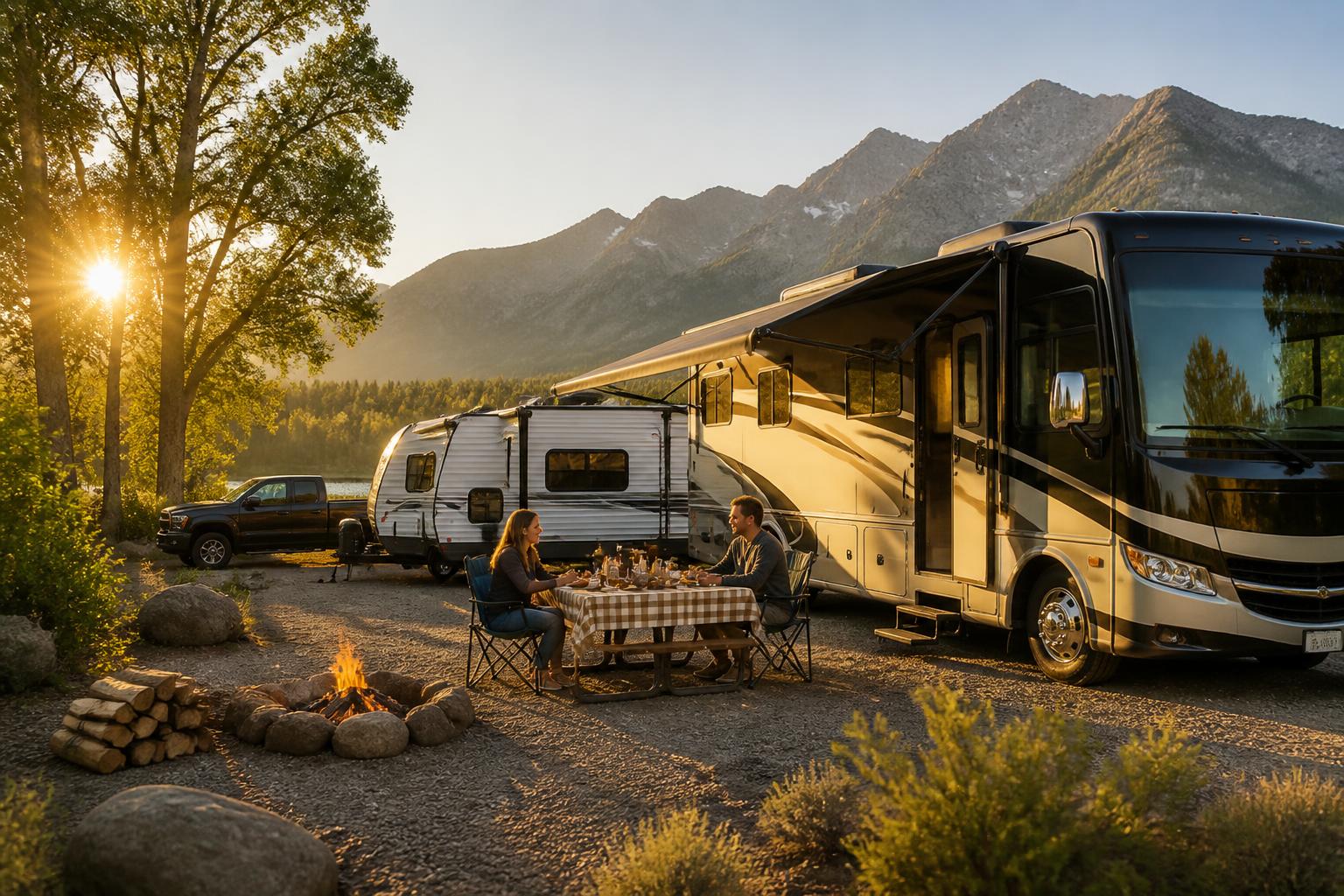
What Good Sam Actually Covers – and Where It Changes by RV Type
The core roadside service includes towing (up to 15 miles free, then per-mile), flat-tire change, jump-start, fuel delivery, lockout service, and winching. Those work anywhere – a storage lot, your driveway, or a dry campsite. The ESP pays for repairs to the engine, transmission, generator, A/C, refrigerator, slide-out mechanisms, and other major components after the factory warranty expires.
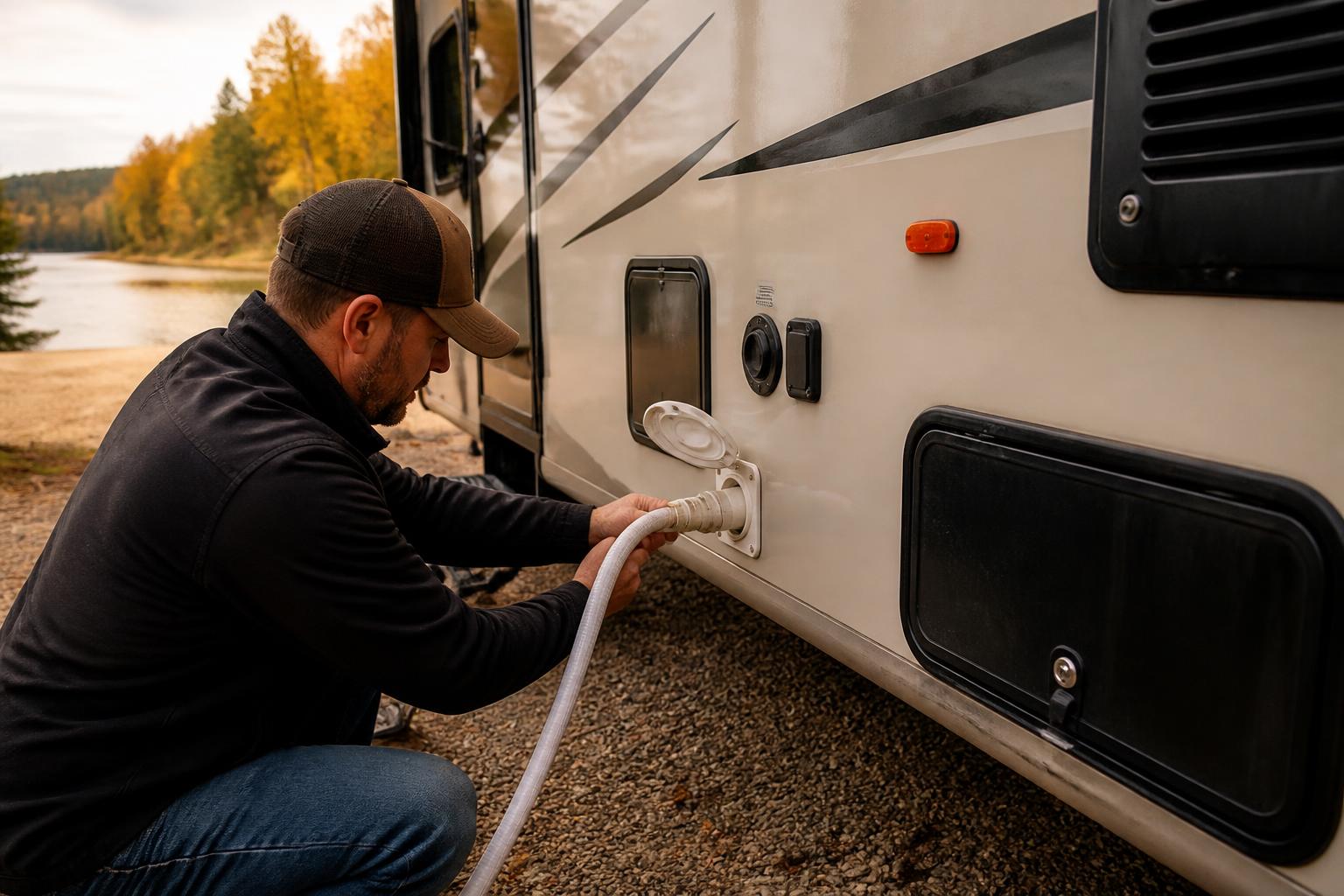
Applicability boundary – model year and size matter. The ESP is only available for RVs up to 15 years old (some plans cap at 10 years) and with a GVWR under 26,000 lbs for motorhomes or up to 40 feet for trailers. If your rig is older than that, the ESP is not an option – you’re limited to roadside assistance only. A 2008 Class A diesel pusher stored six months a year won’t qualify for any repair coverage through Good Sam, so you’d need a separate extended warranty or self-insure.
How Good Sam Helps While the RV Is in Storage
- Storage-yard discounts – Some participating facilities offer 5–10% off monthly rent for Good Sam members. A climate-controlled 40-foot bay at $200/month saves $20–24 per year.
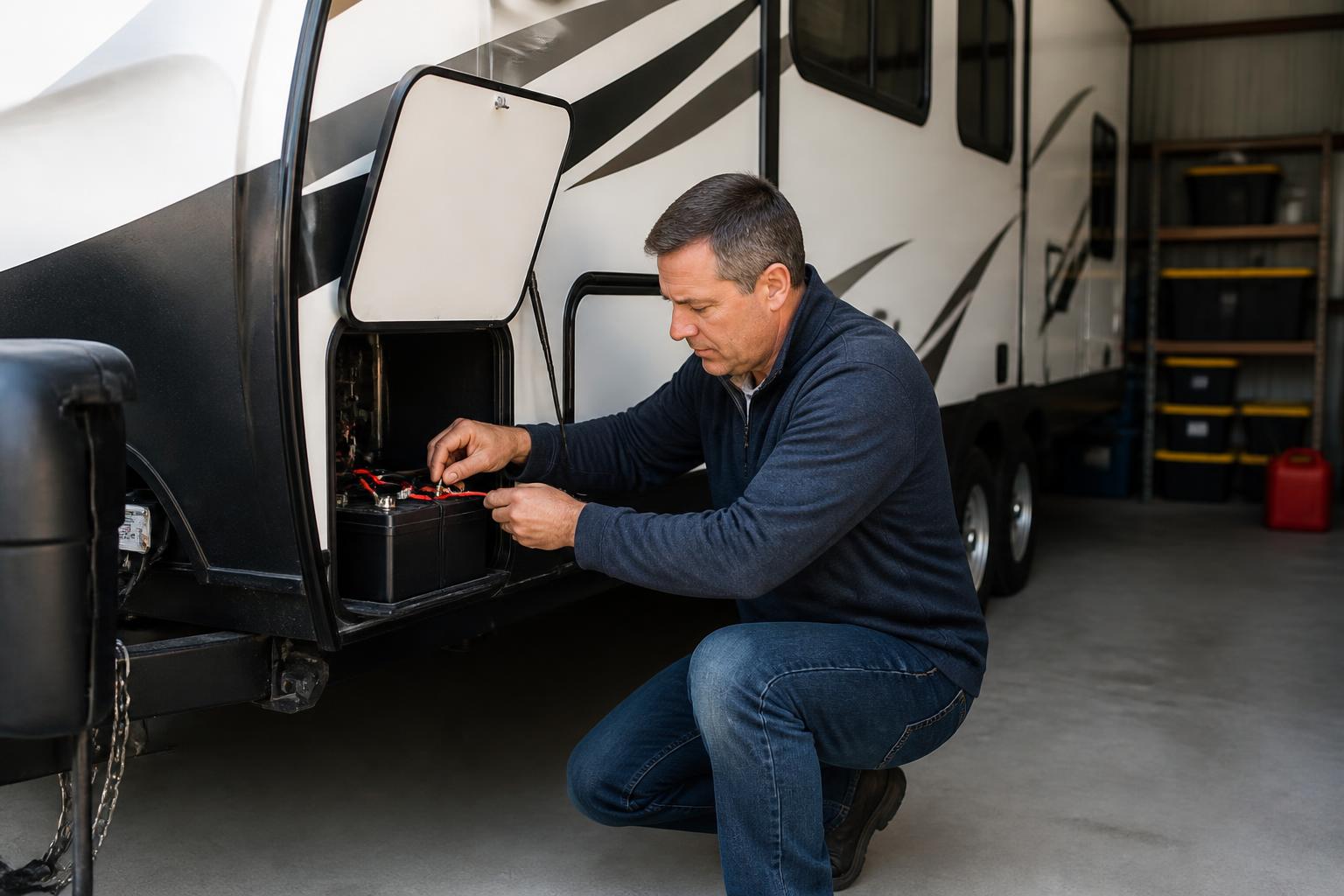
- Winterization resources – Members get downloadable checklists, webinars, and step-by-step guides for prepping water systems, treating batteries, and sealing roof vents before long-term storage.
- Roadside assistance at the storage lot – Dead chassis battery, flat tire from a slow leak, or lockout after six months? One call brings a service truck to the storage yard. No extra charge for the location.
Concrete verification step: Before you rely on a storage-yard discount, open the Good Sam app (or call member services) and search for “storage facilities” near your storage address. Only about one in four yards participates, and the discount isn’t always advertised – you may need to ask the manager. If your yard isn’t listed, the odds of getting a discount are near zero.
Decision Criterion: Storage Duration and RV Age Change the Recommendation
Practical implication for your next purchase decision: If you store your RV more than 4 months a year, the ESP is worth serious consideration because seasonal temperature swings stress seals, belts, and fluids. A typical post-storage repair – frozen water pump, seized slide-out motor, or rodent-damaged wiring – runs $400–1,200. The ESP costs roughly $300–600 annually for a Class C or travel trailer, so one repair pays for itself. But if your RV is older than 10 years, the ESP isn’t available, and you should instead set aside $800 per year in a dedicated repair fund.
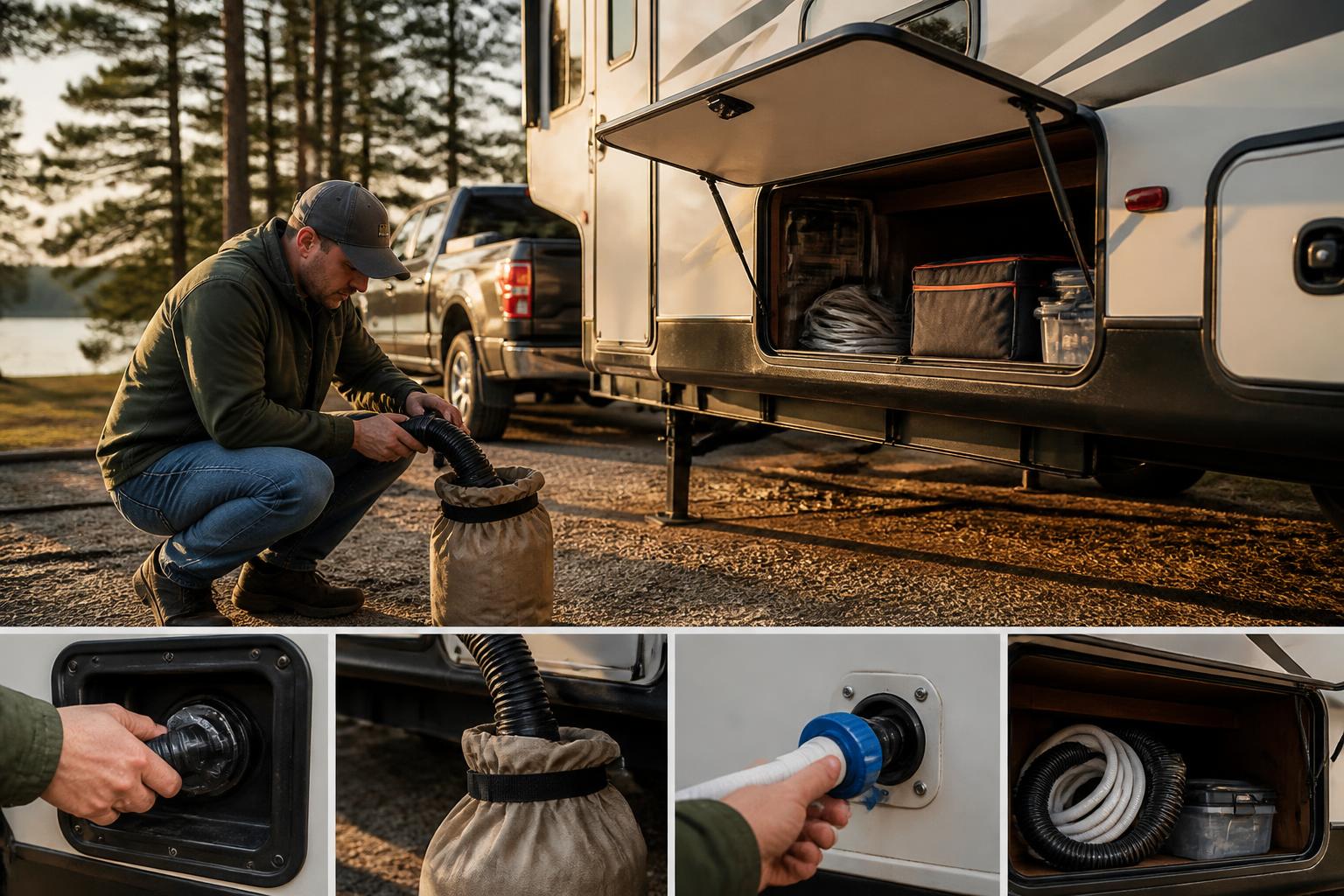
If you store only 1–2 months between trips, skip the ESP and keep the basic roadside membership ($99/year) – that’s enough to handle a dead battery or flat when you go to pull the rig out.
Realistic mismatch and trade-off: The ESP explicitly excludes failures caused by lack of maintenance, improper winterization, pest intrusion, or gradual deterioration. If you store an RV without draining the water lines and a freeze cracks the water pump, Good Sam will deny the claim. You need to document winterization steps with photos and receipts to have any chance of coverage for storage-related failures. Also, towing from storage is limited to 15 free miles – if the nearest repair shop is 30 miles away, you’re paying the overage out of pocket unless you upgrade to a higher-tier roadside plan.
Expert Tips for Making Good Sam Work in Storage
1. Before storing, file a pre-authorization for any known issues. If you hear a strange noise from the generator or the A/C struggles, get it documented before the rig sits idle. Waiting until after storage can lead to a dispute that the problem existed before coverage.
Common mistake: Assuming a pre-existing condition will be covered if it worsens while stored – most contracts exclude “gradual deterioration.”
2. Keep your membership card and policy number in the storage unit, not just in the RV. If the battery is dead, you can’t open the door. Tape a laminated card inside the lid of the storage bay, attach it to the hitch coupler with a weatherproof sticker, or store it in a magnetic key box under the frame.
Common mistake: Storing the card in the glove box, then being unable to open the RV to retrieve it when you need to call roadside.
3. Verify your ESP coverage by VIN before relying on it for storage. Call Good Sam and give them your RV’s VIN to confirm the plan is active and covers your specific model year and chassis. This is especially important if you bought the used rig – the previous owner may have transferred a different tier of coverage.
Common mistake: Assuming the ESP automatically covers all systems on a used RV. Some plans exclude the refrigerator or generator on units over 12 years old.
Quick Decision Checklist
Run through these five yes/no checks before buying or renewing:
- Do you store the RV for 4+ months a year?
[ ] Yes – ESP probably pays. [ ] No – roadside only.
- Is your RV under 15 years old and within GVWR limits?
[ ] Yes – ESP is an option. [ ] No – skip ESP; self-insure.
- Does your storage facility honor the Good Sam discount?
[ ] Yes – sign up to save monthly. [ ] No – still worth roadside.
- Do you have other roadside assistance (AAA RV, insurance)?
[ ] Yes – Good Sam roadside is redundant; still need ESP for repairs. [ ] No – roadside membership is smart.
- Did you winterize and document the steps (photos, receipts)?
[ ] Yes – ESP claims for storage-related failures are easier. [ ] No – fix that before storing.
If you answered “Yes” to at least three of the five, a full membership (roadside + ESP) is a strong fit.
Common Misconception: “Good Sam Only Works While Traveling”
Coverage applies nationwide at any location – a campsite, a storage lot, a dealer’s service bay, or your backyard. One member stored a 2015 Class A in an unheated barn; a rodent chewed through the engine wiring harness. Good Sam’s roadside towed it to a repair shop, and the ESP covered the harness replacement (minus the $100 deductible) – but only because the contract did not explicitly exclude rodent damage for that plan. Always read the fine print for pest intrusion and “act of nature” clauses; some plans do exclude them.
FAQ
Does Good Sam cover damage from water leaks while the RV is in storage?
Only if the leak causes a covered component failure (e.g., water damages the refrigerator control board). Structural water damage, mold, and rotten flooring are excluded – those are property insurance issues.
Can I transfer my Good Sam membership when I sell the RV?
Yes. The roadside membership transfers to the new owner for a $15 fee. The ESP can be transferred if the vehicle remains in the same category and the new owner pays any remaining annual premium.
Does Good Sam include insurance for the storage unit itself?
No. The membership does not cover theft, fire, or vandalism to the RV or its contents while stored. You need a separate RV storage insurance policy or a rider on your homeowners/renters insurance.
Will Good Sam cover a breakdown that happens during a test drive after storage?
Yes, as long as the RV is still the same covered vehicle and the breakdown isn’t caused by improper storage preparation (e.g., driving with old, untreated fuel that clogged the injectors). Cover your bases by following manufacturer storage guidelines and documenting winterization steps.
Good Sam provides a practical safety net for the problems that crop up when an RV sits idle – from dead batteries to frozen pumps. Use the checklist above and your storage duration to decide whether the full package or just roadside fits your situation.

Practical RV guides from an experienced owner. Motorhomes, travel trailers, truck campers — we have owned them, maintained them, and written the guides we wish we had found when we started.